Mold Abatement in Bergen County, NJ
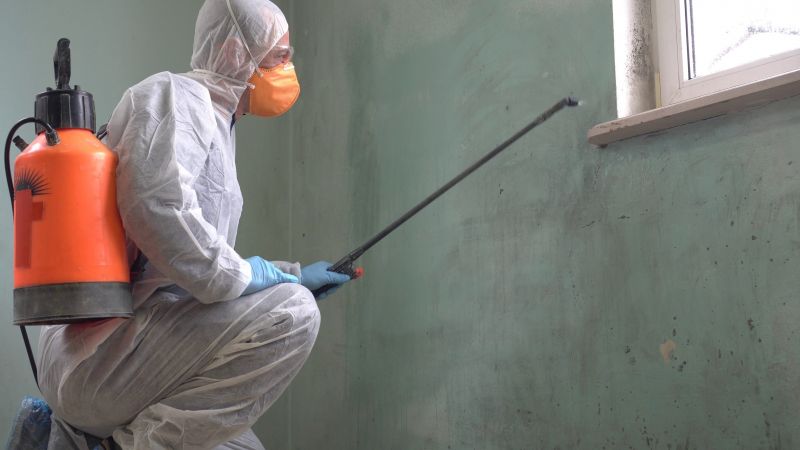
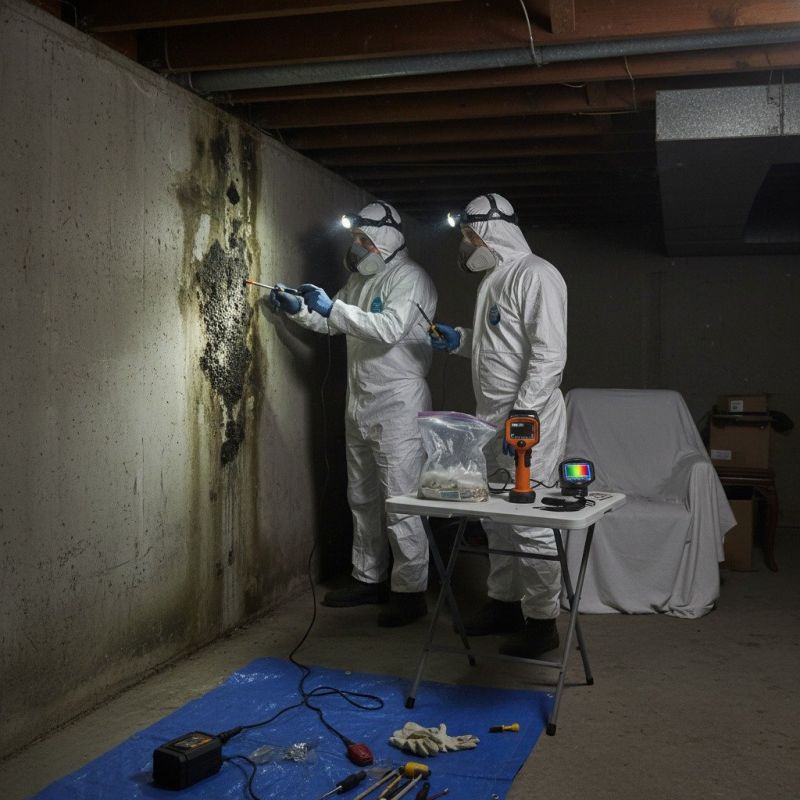
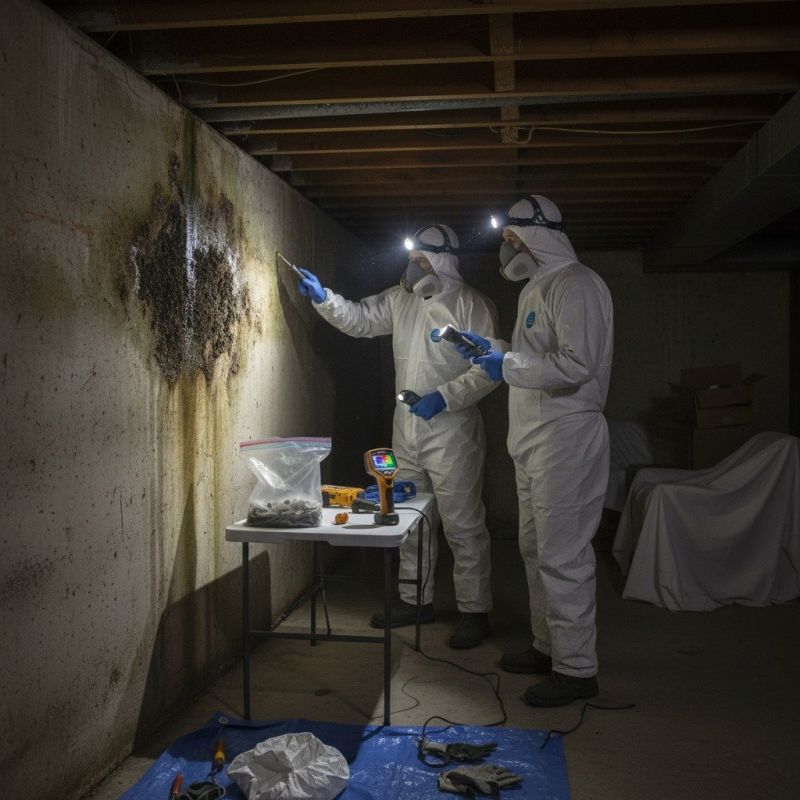
Mold abatement services involve identifying and removing mold growth from residential properties to improve indoor air quality and prevent potential health issues. These services typically cover areas such as basements, bathrooms, attics, and other moisture-prone spaces where mold is likely to develop. Property owners often seek mold abatement after noticing visible mold, experiencing musty odors, or detecting signs of excess moisture that could foster mold growth. The process includes thorough inspection, containment to prevent cross-contamination, removal of mold-affected materials, and proper cleaning to ensure mold does not return.
Before requesting mold abatement, homeowners usually want to understand the extent of the mold problem, the methods used for removal, and any necessary repairs to address underlying moisture issues. It’s important to consider whether visible mold is confined to specific areas or widespread throughout the property, as this can influence the scope of work needed. Property owners should also inquire about the materials that will be removed and replaced, and whether additional steps such as moisture control or ventilation improvements are recommended to prevent future mold growth.
Many property owners in Bergen County, NJ look into Mold Abatement for repairs, replacements, upgrades, and appearance-related improvements.
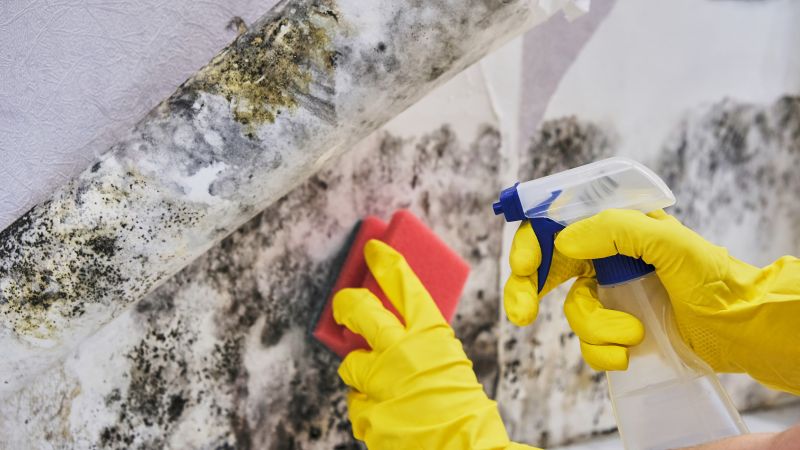
Understanding Mold Risks
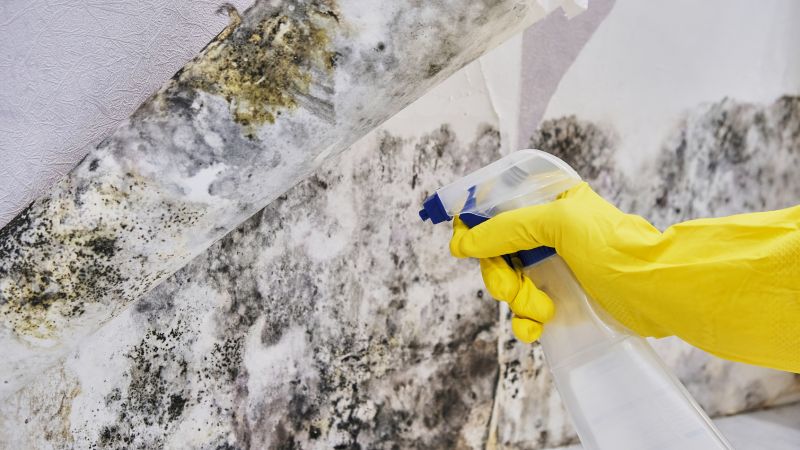
Mold can develop in hidden areas of bergen county homes, impacting indoor air quality and health.
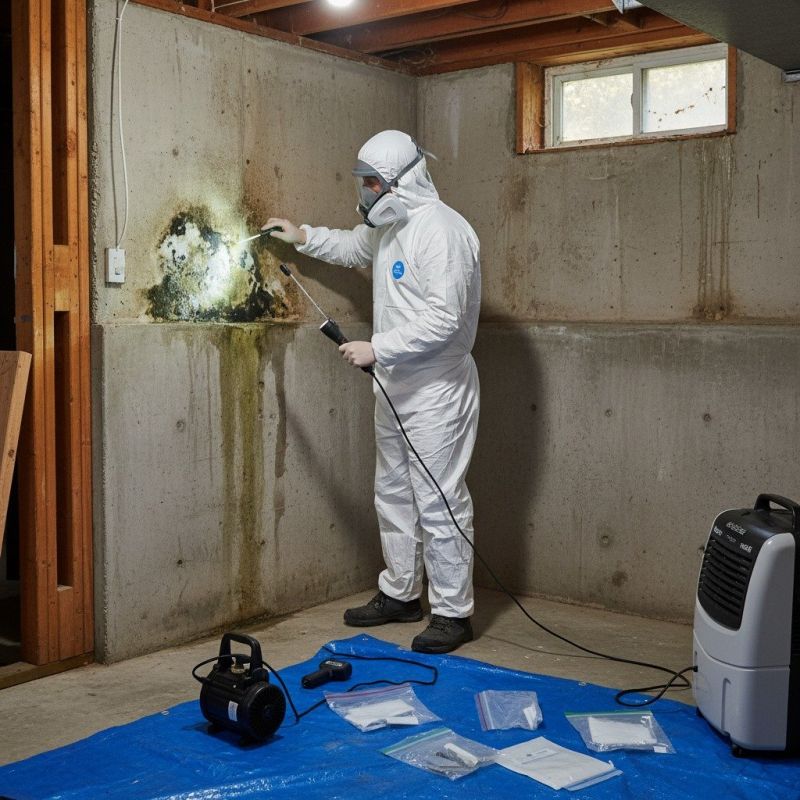
Signs Of Mold Presence
Visible stains, musty odors, or recurring allergy symptoms may indicate mold growth needing abatement.
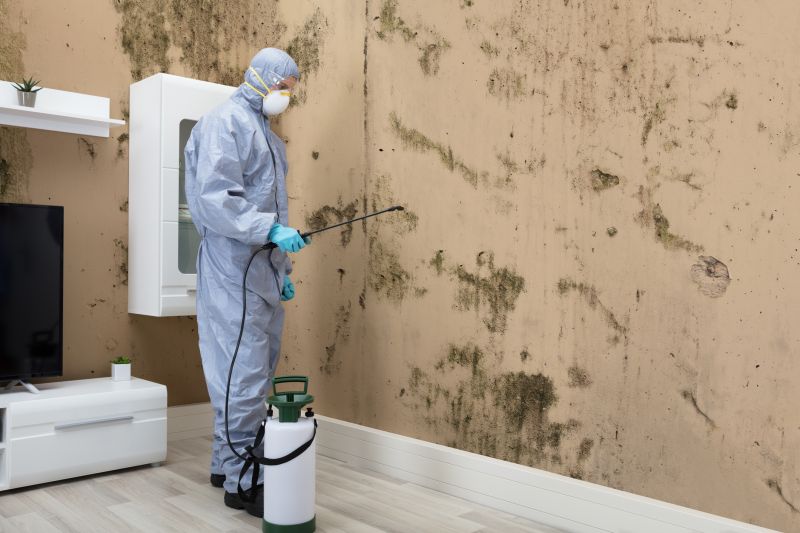
Mold Removal Process
Professional mold abatement involves thorough cleaning and proper containment to ensure safety and effectiveness.
Mold Abatement in Bergen County, NJ
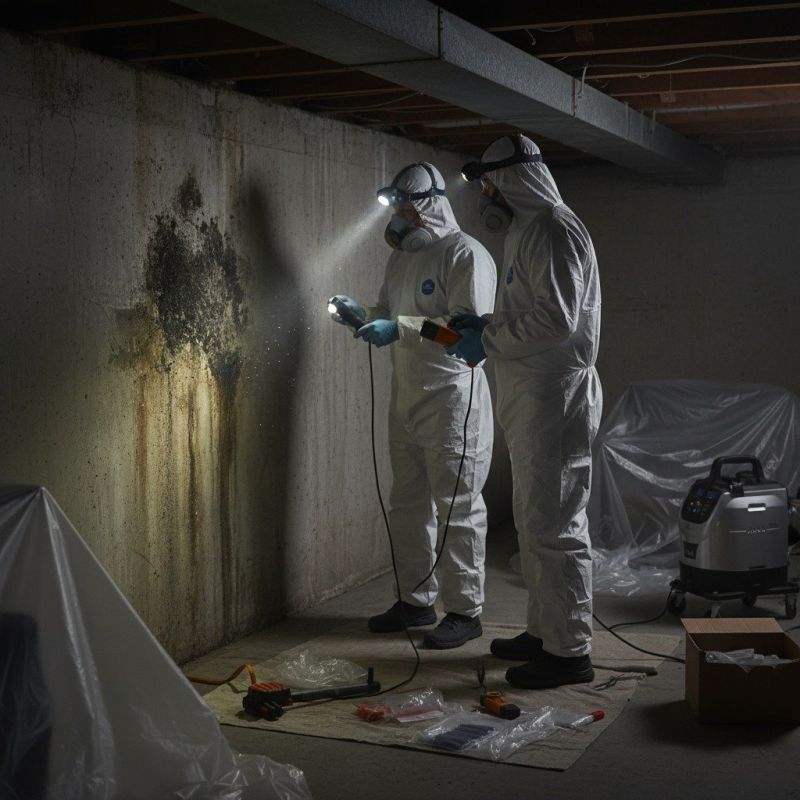
Mold abatement services involve identifying and removing mold growth from residential properties to improve indoor air quality and prevent potential health issues. These services typically cover areas such as basements, bathrooms, attics, and other moisture-prone spaces where mold is likely to develop. Property owners often seek mold abatement after noticing visible mold, experiencing musty odors, or detecting signs of excess moisture that could foster mold growth. The process includes thorough inspection, containment to prevent cross-contamination, removal of mold-affected materials, and proper cleaning to ensure mold does not return.
Before requesting mold abatement, homeowners usually want to understand the extent of the mold problem, the methods used for removal, and any necessary repairs to address underlying moisture issues. It’s important to consider whether visible mold is confined to specific areas or widespread throughout the property, as this can influence the scope of work needed. Property owners should also inquire about the materials that will be removed and replaced, and whether additional steps such as moisture control or ventilation improvements are recommended to prevent future mold growth.
Many property owners in Bergen County, NJ look into Mold Abatement for repairs, replacements, upgrades, and appearance-related improvements.
Common Mold Abatement Jobs
Mold Remediation - removal of mold growth from indoor surfaces to improve air quality.
Mold Inspection - assessment of affected areas to identify mold presence and sources.
Water Damage Cleanup - drying and cleaning affected areas to prevent mold development.
Ventilation Improvement - enhancing airflow to reduce moisture buildup that promotes mold growth.
Surface Cleaning - thorough cleaning of walls, ceilings, and other surfaces with mold-resistant solutions.
Preventative Treatments - application of anti-mold coatings to inhibit future mold growth.
Mold Abatement Questions
What is mold abatement? Mold abatement involves removing mold growth from indoor environments to improve air quality and prevent health issues.
When should property owners consider mold abatement? Mold abatement is recommended when visible mold is present or if a musty odor is detected indoors.
What types of projects typically require mold abatement? Projects often include water damage restoration, HVAC mold remediation, and mold removal from attics or basements.
How does mold abatement improve indoor environments? It eliminates mold spores and growth, reducing potential health risks and preventing further property damage.
Request Mold Abatement in Bergen County, NJ
Use the quote form on this page to share the basics of your project and request more information for the type of work you need.